
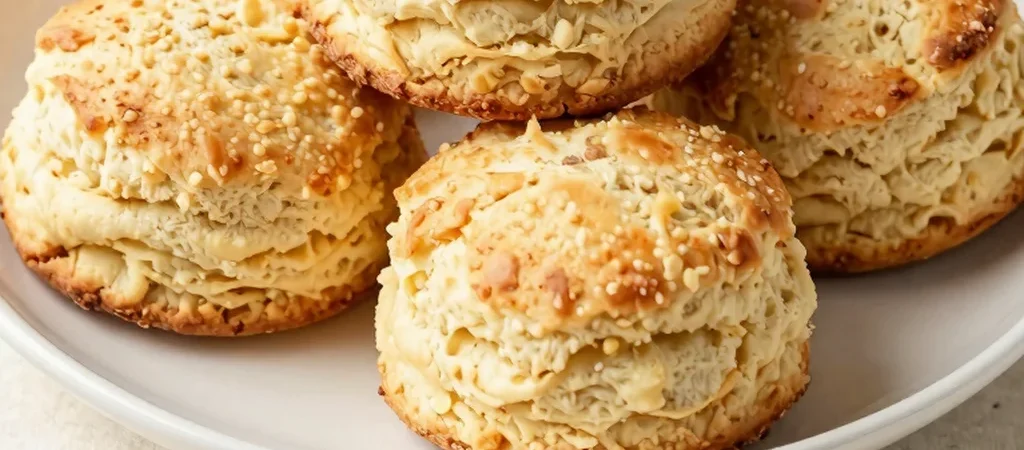
Baking light, multi-layered biscuits isn't about complex techniques; it boils down to fat management and dough handling. When chilled butter melts inside hot dough, the water content vaporizes and creates distinct flaky layers. Following a reliable 3-to-1 flour-to-fat ratio guarantees consistent results on your breakfast table.
Keep Your Ingredients Ice Cold
Warm butter mixes directly into flour and creates a dense, cake-like texture rather than flaky layers. Cube your unsalted butter and freeze it for fifteen minutes before cutting it into the dry ingredients. Even chilling your liquid buttermilk in the freezer briefly keeps the fat suspended in discrete pockets until it hits the oven.
Handle the Dough With Minimal Touch
Overworking biscuit dough activates gluten, turning tender layers into tough, chewy bread. Combine dry and wet ingredients with a fork just until a shaggy dough forms. Gently pat the dough into a rectangle and fold it three times over itself to create instant flaky strata without over-kneading.
Bake at High Temperature
Set your oven to 425 degrees Fahrenheit and bake on the upper middle rack for maximum rise. High initial heat flashes the water inside the butter into steam before the flour sets, driving the dough upwards. Leave the biscuit sides unbuttered while baking so the edges can rise freely without extra weight.