
Easy Homemade Crepes Recipe – Soft, Thin & Delicious
There is something incredibly satisfying about a stack of soft, thin homemade crepes. Light, tender, and slightly golden around the edges, crepes are one of those simple recipes that can be enjoyed at almost any time of day.
Unlike thick American-style pancakes, traditional-style crepes are made with a thin batter that spreads easily across a hot pan. Once cooked, they can be folded, rolled, stacked, or filled with almost anything you like.
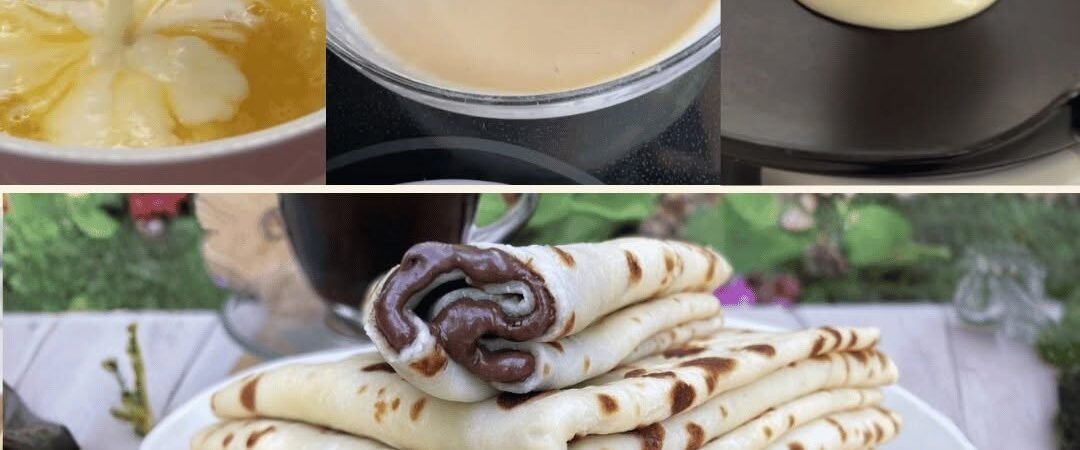
The crepes shown here are beautifully soft and flexible, making them perfect for filling with Nutella, chocolate, fresh fruit, whipped cream, honey, jam, or powdered sugar.
Whether you’re preparing breakfast for your family, making a weekend brunch, or looking for a simple dessert, this easy crepe recipe is one you’ll want to keep coming back to.
Why You’ll Love These Homemade Crepes
Soft and Tender
The batter creates thin crepes that remain soft and flexible after cooking.
Easy to Make
You only need a few basic ingredients and a good nonstick pan.
Perfect for Sweet or Savory Fillings
Crepes can be filled with sweet ingredients for dessert or savory ingredients for lunch and dinner.
Great for Breakfast
Serve them warm with fruit, chocolate spread, honey, or your favorite toppings.
Make-Ahead Friendly
Cooked crepes can be stacked, covered, and refrigerated for later.
Ingredients You’ll Need
For a basic batch of homemade crepes, you’ll need:
- All-purpose flour
- Eggs
- Milk
- Water
- Melted butter
- A little sugar
- Vanilla extract
- A pinch of salt
For serving, you can use:
- Nutella or chocolate spread
- Fresh strawberries
- Bananas
- Blueberries
- Whipped cream
- Honey
- Maple syrup
- Powdered sugar
- Jam
- Caramel sauce
The exact sweetness can easily be adjusted depending on whether you’re making dessert crepes or breakfast crepes.
How to Make Easy Homemade Crepes
1. Prepare the Batter
Add the eggs and milk to a large mixing bowl.
Whisk until well combined.
Gradually add the flour while continuing to whisk.
Add the melted butter, sugar, vanilla extract, and a pinch of salt.
Continue mixing until the batter becomes smooth and relatively thin.
The consistency should be much thinner than traditional pancake batter.
2. Let the Batter Rest
For the best texture, allow the batter to rest for around 20–30 minutes.
Resting gives the flour time to absorb the liquid and helps reduce excess air bubbles.
This can result in smoother, more tender crepes.
If you’re in a hurry, you can cook the crepes immediately, but resting the batter is a useful extra step when you have time.
3. Heat the Pan
Place a nonstick skillet or crepe pan over medium heat.
Lightly grease the surface with a small amount of butter or oil.
The pan should be hot enough for the batter to begin cooking immediately, but it shouldn’t be smoking.
A properly heated pan is one of the most important factors in making evenly cooked crepes.
4. Pour the Batter
Pour a small amount of batter into the center of the pan.
Immediately tilt and rotate the pan so the batter spreads into a thin, even circle.
You want a relatively thin layer rather than a thick pancake.
If the batter doesn’t spread easily, it may be too thick. Add a small amount of milk or water and mix again.
5. Cook the First Side
Cook the crepe until the surface begins to look set and the edges become lightly golden.
You should also see small bubbles or dry areas appearing on the surface.
Carefully loosen the edges with a spatula.
6. Flip the Crepe
Once the first side is cooked, gently flip the crepe.
Cook the second side briefly until lightly golden.
Because crepes are very thin, the second side usually needs much less cooking time.
Transfer the finished crepe to a plate.
Continue with the remaining batter.
7. Stack the Crepes
Place the cooked crepes on top of one another.
Stacking them while warm helps prevent them from drying out.
You can cover the stack with a clean kitchen towel or plate until you’re ready to serve.
The finished crepes should remain soft and flexible.
How to Get Perfectly Thin Crepes
The key is getting the batter consistency right.
Your batter should be:
- Smooth
- Thin
- Pourable
- Free of large lumps
When you pour the batter into the pan, it should spread quickly when you tilt the skillet.
If it sits in the center like thick pancake batter, add a little more liquid.
If the crepes tear easily, the batter may need slightly more flour or a longer resting time.
The Best Crepe Fillings
One of the best things about homemade crepes is how many different fillings you can use.
Nutella Crepes
Spread warm crepes with chocolate-hazelnut spread and fold them into triangles or rolls.
Add sliced strawberries or bananas for an extra delicious combination.
Strawberry Crepes
Fill with fresh strawberries and whipped cream.
Finish with powdered sugar or a drizzle of chocolate.
Banana and Chocolate Crepes
Add sliced bananas and chocolate spread.
Fold and serve warm.
Honey and Fruit Crepes
Drizzle the crepes with honey and add fresh berries, peaches, or bananas.
Cream and Berries
Fill the crepes with whipped cream and fresh berries for a lighter dessert.
Sweet vs. Savory Crepes
Although the image shows a sweet-style presentation, the same basic crepe technique can be adapted for savory dishes.
For savory crepes, simply reduce or omit the sugar and vanilla.
Then fill them with ingredients such as:
- Cheese
- Chicken
- Mushrooms
- Spinach
- Ham
- Eggs
- Turkey
- Roasted vegetables
This makes crepes incredibly versatile.
Tips for Making the Best Crepes
Use a Nonstick Pan
A good nonstick skillet makes flipping and removing the crepes much easier.
Don’t Use Too Much Butter
A very lightly greased pan is usually enough. Too much butter can make the batter slide unevenly.
Keep the Crepes Thin
Use just enough batter to cover the bottom of the pan.
Adjust the Heat
Medium heat is a good starting point. If the crepes brown too quickly, reduce the heat.
Stir the Batter
Flour can settle at the bottom of the bowl, so give the batter a gentle stir between batches.
Don’t Overcook Them
Overcooked crepes can become dry and brittle instead of soft and flexible.
Why Are My Crepes Tearing?
If your crepes are tearing when you flip them, several things could be happening.
The batter may be too thin, the crepes may be undercooked, or the pan may not be at the correct temperature.
Allow the first side to cook properly before attempting to flip.
You can also let the batter rest longer before cooking.
Once you make a few crepes, you’ll quickly learn the right consistency and cooking time for your pan.
How to Store Homemade Crepes
If you have leftover crepes, allow them to cool and stack them neatly.
Place parchment paper between the crepes if you want to prevent them from sticking together.
Store them in an airtight container in the refrigerator.
When you’re ready to serve, gently reheat them in a skillet or microwave.
Can You Freeze Crepes?
Yes, crepes freeze very well.
Allow them to cool completely.
Place parchment or wax paper between individual crepes and stack them together.
Store the stack in a freezer-safe container or bag.
When needed, thaw them in the refrigerator and gently warm them before serving.
This makes homemade crepes a convenient make-ahead breakfast or dessert.
Frequently Asked Questions
What is the difference between crepes and pancakes?
Crepes are much thinner and generally have a more liquid batter than traditional pancakes. Pancakes usually contain more leavening and become thick and fluffy when cooked.
Why are my crepes too thick?
Your batter may be too thick or you may be using too much batter in the pan. Add a little more milk or water and use a smaller amount of batter.
Can I make crepes without a crepe pan?
Absolutely. A standard nonstick skillet works very well.
Can I make the batter ahead of time?
Yes. The batter can be prepared ahead and refrigerated. Give it a gentle stir before cooking.
What is the best filling for crepes?
There isn’t one single best filling. Nutella and strawberries, bananas and chocolate, whipped cream and berries, and honey with fresh fruit are all delicious choices.
Serving Ideas
For a beautiful presentation like the one shown in the image, stack several crepes together and fold them into neat squares or triangles.
Add a chocolate-filled crepe on top for contrast.
You can also finish the plate with:
- Powdered sugar
- Fresh strawberries
- Banana slices
- Chocolate sauce
- Whipped cream
- Crushed nuts
- Caramel
- Fresh berries
Serve immediately while the crepes are still soft and warm.
Final Thoughts
These Easy Homemade Crepes are proof that a simple recipe can create an incredibly delicious breakfast or dessert.
With a smooth, thin batter and a hot nonstick pan, you can make a beautiful stack of soft crepes at home using everyday ingredients.
The real fun begins when it’s time to choose the filling. Keep things simple with powdered sugar and honey, or turn your crepes into an indulgent dessert with Nutella, strawberries, bananas, whipped cream, and chocolate sauce.
Once you learn this basic technique, you’ll have a versatile recipe that can be adapted for breakfast, brunch, dessert, or even savory meals.
Recipe at a Glance
Recipe: Easy Homemade Crepes
Category: Breakfast / Dessert
Prep Time: 10 minutes
Resting Time: 20–30 minutes
Cook Time: 20 minutes
Total Time: About 50 minutes
Difficulty: Easy
Servings: 8–12 crepes